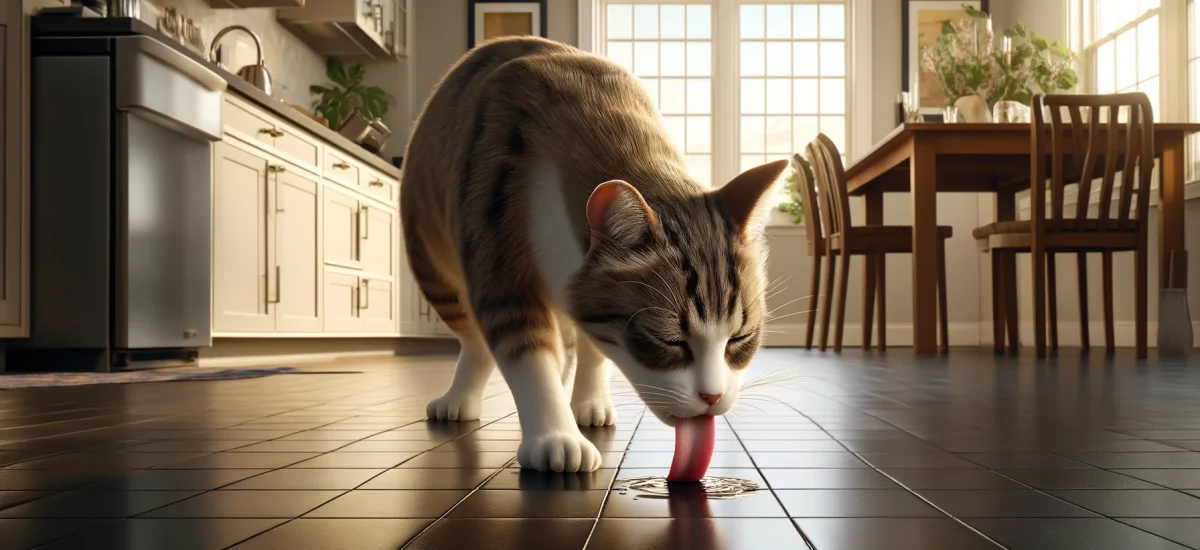
Why is my cat licking the floor?
Bizarre or Normal?
Why is My Cat Licking the Floor?Quick Answer
2. Dental Problems (licking surfaces to alleviate oral pain) 3. Liver or Kidney Disease (buildup of toxins causing nausea and licking behavior) 4. Neurological Disorders (excessive licking stemming from neurological conditions) 5. Allergies or Dermatological Issues (excessive licking of themselves and surroundings to alleviate discomfort) |
As a cat owner, you’ve likely seen it all: the meticulous self-bathing, the heartfelt grooming of fellow pets, and those affectionate licks they sometimes bestow upon you.
These are the charming quirks we’ve come to expect and love.
Cats are expressive creatures, often using their tongues as a bridge to communicate and explore the world around them.
But have you ever caught your furry friend licking the floor or some inedible objects?
It might have left you puzzled, chuckling, or even concerned.
If you’re scratching your head wondering why your cat has taken a liking to your floor instead of their plush toys, you’re not alone. Many cat owners find themselves puzzled by this strange behavior.
So, why do cats lick the floor?
Is it just quirky cat behavior, or is there more to this mystery?
Reasons Behind Cats Floor-Licking Habits
Floor licking is a common quirk among our feline friends that can stem from various reasons.
Here’s a list of the possible causes behind this peculiar habit:
- Dietary Deficiencies
Cats may lick floors and other non-food items when experiencing nutritional deficiencies. The medical term for this behavior is feline pica.
Dr. Michael W. Fox, a renowned veterinarian with expertise in animal behavior, shed light on the matter. “Cats sometimes lick non-food surfaces when experiencing nutritional deficiencies,” he explained. “It’s an instinctive urge to compensate for a dietary deficiency.”
I remember the time when my cat Mittens had this floor-licking issue. I supplemented her with multivitamin drops, and her floor licking decreased significantly, which led me to believe that it was indeed sparked by a nutritional deficiency that the multivitamin supplement helped resolve.
While not all floor licking indicates a deficiency, observing this behavior and other symptoms like decreased appetite or weight loss could signal a diet-related issue.
2. Environmental Factors
Indoor cats are the intrepid explorers of their home environment, guided by senses far sharper than our own.
Take my cat, Butt, for instance. One afternoon, I caught him intently licking the kitchen floor.
At first, it seemed odd, but then I remembered the spill from breakfast. His keen sense of smell had sniffed out the tiniest drop of maple syrup that had escaped my mop.
Indeed, cats often explore with their tongues. They’re drawn to the faintest traces of food residue or even the lingering scent of floor cleaners.
A cat can also be captivated by the cool, smooth surface of a tile floor or the intriguing textures of wooden grooves.
Each groove and texture is an unfolding mystery for cats, rich with smells and sensations we humans can hardly detect.
So, while it might look silly to us when cats lick floors, they’re doing much more than just tasting the ground.
They’re actually investigating their environment, discovering new sensations, and satisfying their innate curiosity.
3. Behavioral Issues
While cats are often seen as creatures of habit, they are surprisingly adaptable, often gracefully navigating changes in their environment.
However, when changes are too sudden or too significant—like moving to a new home, the arrival of a new sofa in their favorite napping spot, or a new family member in their once tranquil home—they might find these adjustments stressful.
This stress can unexpectedly manifest into an obsessive-compulsive disorder like excessive licking of the floor.
Why do they do it? It’s their way of coping, similar to how we might bite our nails or tap our feet.
It’s important to note that while some breeds, like Persians, may be more laid-back and less affected by a lack of stimulation, most cats thrive on mental stimulation and physical engagement.
Without it, boredom can set in, making even the floor seem like a fascinating puzzle. This can escalate to compulsive disorders, sometimes requiring intervention from a veterinary behaviorist.
4. Health Problems
Floor licking in cats can sometimes be a sign of underlying medical problems. Understanding these potential health issues is crucial as it helps ensure timely and appropriate veterinary care.
Here are some of the common underlying causes of why a cat might start licking the floor:
- Gastrointestinal Disorders: Issues such as inflammatory bowel disease, gastrointestinal infections, or parasites can cause discomfort or nausea, leading cats to lick surfaces excessively to soothe their stomachs.
- Dental Problems: Oral discomfort from gum disease, tooth decay, oral ulcerations, or other dental issues can lead cats to lick floors or other surfaces to manage the pain.
- Liver or Kidney Disease: These serious conditions can cause a build-up of toxins in the blood, leading to nausea or unusual behaviors such as floor licking.
Sharing my experience caring for senior cats with chronic kidney disease, I have observed a notable behavior where all three of my anemic cats tended to lick concrete floors.
This behavior appeared to correlate with their condition, suggesting a possible link between anemia and this specific licking behavior.
- Neurological Disorders: Conditions affecting the brain and nervous system, such as cognitive dysfunction syndrome in older cats or neurological disorders, can manifest in unusual behaviors, including repetitive licking.
- Allergies or Dermatological Issues: Skin allergies, infections, or other dermatological problems can cause discomfort, prompting cats to lick themselves and sometimes other surfaces excessively.
Addressing Cat Floor-Licking Behavior
As mystifying as it can be to witness your furry friend lapping at the floors, take heart – there are steps you can take to curb this quirky behavior.
I remember how baffled I was the first time I caught Mittens mid-lick, tongue gliding across the tile.
But with some detective work and adjustments, we were able to get to the root of her behavioral disorders.
- Dietary Adjustments

If a nutritional deficiency seems to be driving your cat’s floor cruising, the solution may be as simple as overhauling its diet.
Work closely with your vet to analyze your cat’s current food regimen and identify any missing nutrients or poor-quality ingredients that could leave your cat unsatisfied.
In Mittens’ case, incorporating a multivitamin supplement made a noticeable difference. Her obsessive floor licking tapered off significantly.
2. Environmental Enrichment
For cats that lick floors out of boredom, stress, or general under-stimulus, it’s time to jump-start an engaging, enriching environment tailored to their needs.
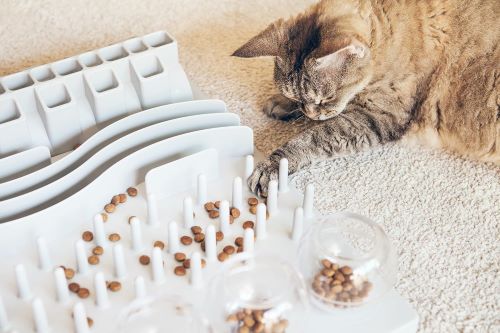
Think cat trees, scratching posts, puzzle feeders – any outlet to expend physical and mental energy.
I’ll never forget how Butt’s interest in the floors waned after I set up a lush cat tree by the sunlit window.
Suddenly, he had a new vertical territory to explore, survey, and lounge, like the pampered baby he was, which diverted his attention from the floor to climbing and surveying his kingdom.
Providing ample playtime, treats tucked into food puzzles, and rotating interactive toys also helps stimulate their natural curiosities more positively
3. Behavioral Strategies:
Identify and minimize potential stressors when environmental stress seems to be a trigger.
Simple adjustments like establishing a consistent daily routine can provide your cat with a sense of security.
Additionally, cat pheromone diffusers can help create a calming environment, especially in households with multiple pets or recent changes.
Safe, cozy nooks and familiar resting places can greatly reduce your cat’s anxiety.
Reducing anxiety goes a long way in curbing stress-induced behaviors.
4. Medical Intervention

Of course, if the floor licking persists despite environmental and diet changes, a vet visit is essential. It’s wise to have your vet investigate underlying medical issues.
Chronic vomiting, diarrhea, or unexplained weight loss alongside the licking could indicate gastrointestinal issues requiring treatment.
In more extreme cases of obsessive licking potentially linked to mental health conditions, your vet may recommend medications or work with an animal behaviorist on modifications.
Every cat is unique, so staying attuned to changes in behavior and working closely with professionals is key to identifying the root of this peculiar habit.
When to Seek Professional Help
While many cases of floor licking in cats can be resolved through diet changes, environmental enrichment, and reducing stress at home, there are instances where professional assistance may be required.,
Here are some situations where consulting an expert could be beneficial:
- Excessive or Obsessive Licking If your cat’s floor licking becomes excessive to the point of obsession, and none of the home remedies seem to curb it, it’s time to enlist professional help.
Obsessive licking that interferes with your cat’s normal activities or causes excessive stress could indicate an underlying psychological condition that needs specialized treatment. - Accompanying Symptoms If the floor licking is accompanied by other concerning symptoms like vomiting, diarrhea, weight loss, lethargy, or changes in appetite or water intake, it could be a sign of a more serious underlying medical issue. In such cases, seeking veterinary care is crucial for proper diagnosis and treatment.
- Lack of Improvement If you’ve tried various approaches to address floor licking, such as dietary changes, environmental enrichment, and stress reduction techniques, but haven’t seen any significant improvement, it’s advisable to consult a veterinarian or an animal behaviorist.
They can provide a professional assessment and recommend more targeted solutions tailored to your cat’s specific needs. - Behavior Changes: Sudden changes in your cat’s behavior, including the onset of floor licking, could be an indication of an underlying medical or psychological issue. It’s always wise to have a veterinarian examine your cat to rule out any potential health concerns.
By recognizing when professional intervention is needed, you can ensure that your cat receives the appropriate care and attention to address any underlying issues contributing to the floor-licking behavior.
Seeking help from a veterinarian, an animal behaviorist, or a veterinary nutritionist can provide valuable insights, specialized treatment plans, and expert guidance to help your furry friend overcome this quirky habit and enjoy a happier, healthier life.
Conclusion
As cat owners, we’ve all likely experienced that peculiar moment of puzzlement when we catch our feline friends indulging in a licking fest on the living room floor.
What once seemed like an odd, inexplicable behavior can actually offer valuable insights into our cats’ needs and well-being.
From nutritional deficiencies and pica cravings to environmental curiosities and anxiety-induced compulsions, floor licking can be a literal cry for attention to underlying issues.
Sometimes, the cause is as simple as boredom or accidental spills; other times, it may signify more complex medical conditions like gastrointestinal distress or neurological disorders.
The good news is that we can often identify and address the root causes behind this quirky habit by taking an observant and proactive approach.
Dietary adjustments, environmental enrichment through cat toys and vertical spaces, stress reduction techniques, and consistently maintained routines can work wonders in minimizing your cat’s urge to treat the floors like one big cat treats.
Of course, there may be instances where our feline friends require more than just home remedies.
If the licking persists excessively or seems to accompany other concerning symptoms, the best thing to do is to consult the professionals – veterinarians and animal behaviorists who can provide proper treatment.
At the end of the day, our cats’ floor-licking adventures, while amusing to witness, are their unique way of communicating needs that deserve our attention and care as responsible pet owners.
Staying attuned to these signals and making adjustments can help curb the licking while providing an enriched, low-stress environment for our furry companions to thrive.
So, the next time you catch your cat mid-lick on the kitchen tile, don’t be too quick to dismiss it as just another “crazy cat” moment.
Pause, observe, and consider what your feline friend might be trying to tell you. With some detective work and adjustments, you might be able to reclaim those floors from their curious tongues once and for all!
If you are interested to learn more about weird cat behaviors, check out this post on “Weird Cat Behaviors Explained-Why Cats Do the Strangest Things?”
Related posts:
Why Do Cats Headbutt? – Decoding the Irresistible Charm
Cat Zoomies Explained: Why Do Cats Suddenly Turn Into Cheetahs?
Why Do Cats Knock Things Over? – The Truth Behind This Mischievous Act
Cat ‘Making Biscuits’: The Quirky Reasons Behind Your Cat’s Kneading Habit
8 Hidden Reasons Why Your Cat Covers Their Food (Some May Surprise You!)
Fascinating Yet Creepy: Why Cats Stare at Empty Spaces?
7 Secret Reasons Why Cats Lift Their Bum When Petted – And It Will Melt Your Heart!
Why Cats Chew on Plastic: Unraveling This Bizarre Behavior
Why Do Cats Bring You ‘Gifts’? Unraveling the Mystery of Cat “Gift-Giving” Behavior
The Art of Cat Napping: Why Cats Sleep in the Strangest Places in the Funniest Positions
Cats and Boxes: Unlocking the Secrets Behind This Irresistible Obsession
The Secrets Behind Your Cat’s Bird-Watching Chirps and Chatters
Why do cats roll in dirt?
Why do cats rub their face on things?
Please share this article if you think it deserves. Have a nice day!