Quick Answer
The best cat breeds for apartments are the Ragdoll, British Shorthair, Russian Blue, Persian, and Exotic Shorthair — all calm, quiet, and genuinely content with indoor life. For working owners, British Shorthairs and Russian Blues handle alone time best. Avoid high-energy or very vocal breeds like the Bengal or Siamese if you have thin walls or close neighbors. The most important factors: low vocalization, moderate energy, and real comfort with indoor-only life.
If you’ve spent any time searching for the best cats for apartments, you’ve probably run into two camps: people who say it’s totally fine, and people who act like you’re planning to raise a wolf in a studio. The truth is somewhere more useful than either extreme.
Yes, cats can live happily in apartments. But not all cat breeds for apartment living are created equal. A Bengal bouncing off your walls at 2am isn’t a space problem — it’s a breed mismatch problem. Get the breed right and your apartment becomes a perfectly good home. Get it wrong and nobody’s happy, including the cat.
This guide focuses on the traits that actually matter for apartment cat breeds: how they handle being alone, whether your neighbors will hate you, grooming demands in a small space, and whether they genuinely thrive indoors or just tolerate it.
Here are the 12 best apartment cats that consistently deliver on all of those fronts.
Table of Contents
What Makes a Good Cat for Apartment Living?
Before we get into breeds, it’s worth naming the traits you’re actually shopping for. The best cats for small apartments aren’t just small cats — they’re cats whose personalities fit the constraints of the space.
Low to moderate energy. A cat that needs to run laps to burn off steam needs more space than a studio offers. Low maintenance cats for apartments self-regulate better in confined environments.
Quiet vocalization. This matters more than people realize until they have a Siamese and a noise complaint. Quiet cat breeds for apartments are a real consideration — in buildings with shared walls, constant vocalizing is a quality-of-life issue for everyone.
Comfort with being alone. Most apartment owners work full-time. Breeds prone to severe separation anxiety will develop behavioral problems if left alone for eight hours a day. Some cats are genuinely fine on their own; others need a companion or they’ll redecorate your furniture out of frustration.
Indoor contentment. Indoor cat breeds for apartments need to be genuinely comfortable without outdoor access — not merely tolerating it. A cat with a strong roaming drive is harder to satisfy in an apartment, no matter how much enrichment you add.
The 12 Best Cat Breeds for Apartments
1. Ragdoll
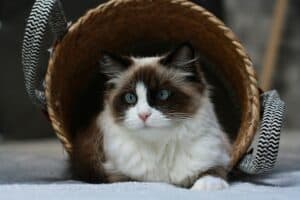
If I had to pick one indoor cat breed for apartments above all others, it would be the Ragdoll.
They go limp when you pick them up — that’s literally where the name comes from — and that same physical looseness extends to their whole personality. Nothing ruffles them.
Ragdolls follow their people from room to room, which in an apartment means you’re always within a few steps of a very soft, very relaxed cat.
They’re quiet, they don’t demand outdoor access, and they’re happy to spend the day on a cushion waiting for you to come home. They will absolutely greet you at the door when you do.
The one honest caveat: their semi-long fur needs brushing two to three times a week or it mats. That’s a commitment in any living space. But for temperament, the Ragdoll is the closest thing to a natural apartment cat this list has to offer. [1]
Best for: Single owners, couples, anyone who wants a calm, affectionate cat that doesn’t demand constant stimulation
2. British Shorthair
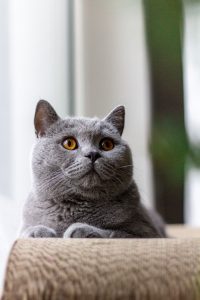
The British Shorthair is the apartment cat for people who work long hours and don’t want a cat that falls apart without them.
These are genuinely independent animals — affectionate when you’re home, perfectly content when you’re not. As one of the best low maintenance cats for apartments, they rank at the top on almost every practical measure. [2]
They’re dense, round, and wonderfully unbothered. They won’t yowl when you leave, won’t shred the couch out of boredom, and won’t demand to be on your lap the moment you sit down. They’ll simply find a sunny spot and wait you out. When you’re home, they enjoy quiet company — sitting near you rather than on you.
Low grooming needs, low noise, low drama. For working apartment owners, this is the breed most likely to slot into your life without friction.
Best for: Full-time workers, people who travel occasionally, anyone who wants low-maintenance affection without clinginess.
3. Russian Blue
Russian Blues are one of those quiet cat breeds for apartments that seem standoffish at first and then turn out to be completely devoted — just to their own person rather than to everyone in the room. Reserved around strangers, warm and loyal with the people they choose. [3]
For apartment living, they tick every practical box: quiet, moderate energy, fine with indoor life, and comfortable being alone without spiraling into destructive behavior. They’re smart enough to entertain themselves with toys and curious enough that a window perch keeps them genuinely occupied for hours.
Their dense double coat sheds less than you’d expect, which is a small but real bonus in a smaller space.
Best for: People who want a loyal, quiet cat that isn’t needy; ideal for one- or two-person households.
4. Persian
Persians are the definition of indoor cat breeds for apartments. They have no desire to be outside — no roaming instinct, no interest in adventure. They want a comfortable spot, a reliable schedule, and a person who’s happy to sit with them. [4]
They’re gentle, quiet, and undemanding in terms of activity. What they do demand is grooming: that long coat needs daily brushing or it will mat, and their flat faces require regular eye cleaning. This isn’t the cat for someone who wants minimal upkeep. But if you find the grooming meditative rather than annoying — and many people do — you get an extremely calm, deeply affectionate companion.
They thrive on routine, which makes apartment life particularly well-suited to them. Same feeding time, same nap spot, same person coming home at the same hour — Persians want exactly that.
Best for: People who enjoy the ritual of grooming; those who want a serene, predictable cat.
5. Scottish Fold
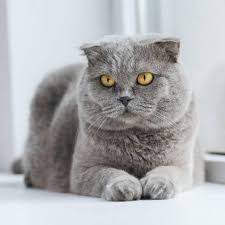
Scottish Folds are small, calm, and deeply attached to their people without being clingy about it. As apartment cats they have a lot going for them: low energy, quiet demeanor, and a preference for being near their person without demanding constant engagement. [5]
They’re known for sitting in unusually upright positions — what owners call the “Buddha sit” — and for the distinctive folded ears that give them an owlish expression. A play session with a feather wand satisfies them, and they’re just as happy to watch from a window ledge afterward.
⚠️ Health note: The gene responsible for the ear fold also affects cartilage throughout the body and can cause osteochondrodysplasia — a painful joint condition. This is why the Scottish Fold was removed from the breed list in Scotland and why several registries have restricted or banned registration. If you choose a Scottish Fold, source only from breeders who test for this condition and breed fold-to-straight (not fold-to-fold) to reduce risk. Adoption is also an option worth considering. [6]
Best for: Quiet households where the health considerations have been carefully researched. Not recommended for buyers who can’t vet the breeding program thoroughly.
6. Exotic Shorthair
Think of the Exotic Shorthair as a Persian that someone thoughtfully gave a shorter coat. Same flat face, same gentle temperament, same indoor-loving nature — but the grooming drops from daily to twice a week. For apartment dwellers who liked the Persian’s personality but were worried about the upkeep, this is the answer. [10]
They’re playful as kittens and gradually settle into a more sedate pace as they age, making them progressively better suited to apartment life over time. They’re among the best cats for small apartments when you factor in energy, noise, and grooming together.
Like Persians, they need regular eye cleaning due to their flat faces — a small but real daily task.
Best for: Anyone who loves the Persian type without wanting the daily brushing commitment.
7. Burmese
The Burmese is the social butterfly of this list. If most apartment cats are content with quiet company, the Burmese actively wants to be in the middle of whatever you’re doing. They’re playful, warm, and genuinely interactive — the cat that will involve themselves in every task and is happiest when they’re part of the action.
What makes them good apartment cats is that they direct all that social energy toward people rather than toward needing outdoor space. They don’t need a yard — they need you. As long as you’re home enough to give them attention and play time, they thrive.
They’re not ideal for owners who work very long hours without a second cat for company. But for people who work from home or have flexible schedules, they’re one of the most rewarding choices on this list.
Best for: Home-based workers, people who want an interactive, sociable cat; best with another cat if owner is away long hours.
8. American Shorthair
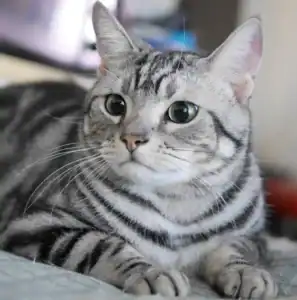
The American Shorthair is the practical choice for cat breeds for apartment living — not as dramatically calm as the Ragdoll or as low-maintenance as the British Shorthair, but solidly good across every category. Adaptable, healthy, moderately active, genuinely easy to live with.
They’ll play when you want to play and rest when you want to rest. Not demanding about attention but do enjoy company. They can entertain themselves but won’t refuse a lap. In apartment terms, they flex to fit your schedule rather than imposing one on you.
Short coat, minimal grooming, robust health. Not the flashiest choice, but one of the most reliable ones.
Best for: First-time cat owners, families with children, anyone who wants a versatile, low-drama cat.
9. Munchkin
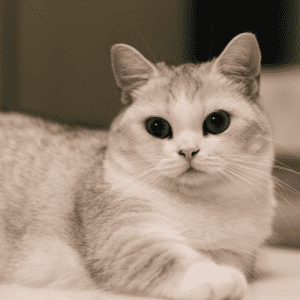
The Munchkin’s short legs don’t slow them down as much as you’d think — they’re still active, playful cats who enjoy running and exploring. What makes them good cats for small apartments is their size and their cheerful, adaptable personality rather than any physical limitation.
They’re sociable and affectionate, they don’t need vast space to feel satisfied, and they get along well with other pets — helpful if you’re considering two cats to keep each other company during work hours.
Worth noting: Munchkins carry a genetic mutation that’s ethically contested in some breeding communities — more so than most breeds on this list. Reputable breeders health-test and don’t breed Munchkin-to-Munchkin. Because this breed is controversial, adoption or very careful breeder research matters more than usual. Do your homework before committing.
Best for: People who want a playful but compact cat; good in multi-pet households.
10. Birman
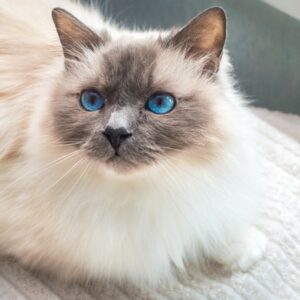
Birmans are gentle, quietly affectionate cats that often get overlooked as apartment cat breeds in favor of their more famous relatives.
Similar to Ragdolls in temperament — calm, people-oriented, happy indoors — but with a slightly more independent streak that makes them easier to leave alone. [8]
Their semi-long coat looks like it should be high-maintenance but the texture resists matting better than a Persian’s. Weekly brushing usually keeps it in good shape.
Quiet without being aloof, affectionate without being demanding. For apartment owners who want the Ragdoll experience with a bit more self-sufficiency, the Birman deserves more attention than it typically gets.
Best for: Anyone who wants a gentle, quiet companion cat; good for those who want slightly more independence than the Ragdoll offers.
11. Singapura
The Singapura is the smallest recognized cat breed, which makes it physically well-suited to compact spaces — genuinely one of the best cats for small apartments on a pure square-footage basis. But it’s the temperament that earns it a place here: curious, social, playful, but not destructively high-energy. [9]
They stay engaged without being exhausting. Lap cats at heart who enjoy being close to their person without being constantly underfoot. Their short coat is very low maintenance, and they tend to be quiet — not silent, but not the kind of constant vocalizer that creates neighbor problems.
Singapuras are a less common choice, which means finding a reputable breeder takes more effort. But for the right owner, they’re a genuinely excellent apartment cat.
Best for: People in very small spaces, those who want a compact, affectionate indoor cat breed with minimal grooming needs.
12. Sphynx

The Sphynx looks like the opposite of a cozy apartment cat, but in practice they’re one of the most people-oriented breeds on this list.
No fur means they run warmer than other cats and actively seek out body heat — yours, a blanket, a sunny corner. In an apartment, there’s always something warm to curl up against.
They’re social, playful, and deeply attached to their people. They tend to get along with other pets, which can be an asset in a smaller living situation. The trade-off: no fur doesn’t mean no grooming. Their skin produces oils that fur would normally absorb, so they need weekly bathing. It’s an unusual routine, but most Sphynx owners find it manageable once established.
Best suited to owners who are home enough to give them real attention. Not the breed for someone who travels regularly or works 12-hour days.
Best for: People who want a highly interactive, affectionate cat; households where someone is home much of the day.
Quick Comparison: Best Cats for Apartments at a Glance
| Breed | Energy | Vocal | Alone Time | Grooming |
|---|---|---|---|---|
| Ragdoll | Low | Quiet | Moderate | Moderate (semi-long) |
| British Shorthair | Low–Mod | Very quiet | Handles well | Low |
| Russian Blue | Moderate | Quiet | Handles well | Low |
| Persian | Low | Very quiet | Handles well | High (daily) |
| Scottish Fold† | Low–Mod | Quiet | Good | Low–Moderate |
| Exotic Shorthair | Low | Very quiet | Good | Low–Moderate |
| Burmese | Moderate | Moderate | Needs company | Low |
| American Shorthair | Moderate | Quiet | Good | Low |
| Munchkin† | Moderate | Moderate | Moderate | Low–Moderate |
| Birman | Low–Mod | Quiet | Good | Moderate (weekly) |
| Singapura | Moderate | Quiet | Good | Low |
| Sphynx | Mod–High | Moderate | Needs company | Moderate (bathing) |
| † Breeds with known genetic health considerations. See individual breed notes. | ||||
Best Apartment Cats by Owner Type
Not all apartment owners have the same lifestyle. Here’s how the best cats for apartment living map to different situations:
| Owner Type | Best Breeds | Why |
|---|---|---|
| Full-time workers | British Shorthair, Russian Blue | Both handle solo time well and don’t develop anxiety when left alone. |
| Work-from-home owners | Burmese, Sphynx, Ragdoll | All thrive on daily interaction and reward owners who are regularly present. |
| First-time cat owners | American Shorthair, British Shorthair | Low-maintenance, adaptable, and forgiving of inexperience. |
| People living alone | Ragdoll, Birman, Russian Blue | Bond closely with one person; ideal for single-person households. |
| Families with children | American Shorthair, Ragdoll, Birman | Patient, gentle temperaments that hold up well around kids. |
| Very small apartments | Singapura, Exotic Shorthair | Compact size and low energy; genuinely comfortable in limited floor space. |
| Owners who travel | British Shorthair, Russian Blue | Most independent breeds; less prone to distress when routines shift. |
Cat Breeds That Struggle in Apartments
Knowing what not to get is as useful as the list above. A few breeds that consistently create problems in small spaces:
Bengal. Highly active, highly intelligent, and genuinely needs space and stimulation to stay out of trouble. In a small apartment, a bored Bengal will find ways to entertain itself that you won’t enjoy.
Siamese. Wonderful cats, but among the least suitable quiet cat breeds for apartments. They communicate constantly and loudly. In a building with thin walls, this is a real problem for you and your neighbors.
Abyssinian. Built to move. Curious, fast, and need vertical space and stimulation. Not impossible in an apartment, but they require substantially more enrichment than most.
Cat Breeds That Can Work in Apartments With Extra Planning
These breeds aren’t ideal for small apartments but aren’t disqualified either. With the right setup and commitment, some owners make them work.
Maine Coon. Gentle giants with adaptable temperaments — and genuinely dog-like personalities that make them enjoyable company. Maine Coon apartment living is possible, but their size means they need more floor and vertical space than a very small studio realistically provides. In a larger apartment with tall cat furniture and a committed play routine, many Maine Coons adapt well. They’re not the first recommendation for compact spaces, but they’re not a flat no either.
Siamese. If you work from home, live alone (no shared walls), and genuinely want a cat that talks back to you, a Siamese can work. The caveat applies entirely to noise in shared buildings.
Don’t Overlook Rescue Cats
This entire guide is about purebred cats, which is useful for predicting temperament before you bring a cat home. But it’s worth saying clearly: a calm adult mixed-breed rescue cat can be one of the best apartment cats available — and often beats a purebred kitten on every practical metric.
With an adult rescue, you know the personality already. Shelter staff and foster caregivers can tell you whether the cat is quiet, how they handle being alone, whether they get anxious, whether they’ve lived in an apartment before. You’re not guessing based on breed averages — you’re choosing a specific animal whose temperament is already visible. For apartment living, that’s genuinely valuable. If you can visit the shelter and spend time with a cat before adopting, the breed conversation becomes almost secondary.
How to Make Any Apartment Work Better for a Cat
Breed is the biggest factor, but setup matters too. These are the things that make the most difference in small spaces, supported by AVMA guidance on indoor cat enrichment and International Cat Care’s indoor environment guidelines. [7][11]
Go vertical. Square footage matters less than you’d think when you add vertical space. A tall cat tree adds usable territory that’s genuinely different from floor-level space. Wall-mounted shelves and perches do the same. Cats use height — give them places to climb and observe from above.
Put a perch at the window. A window with a view is free enrichment. Birds, people, cars, weather — cats find all of it interesting. A simple window perch provides hours of stimulation your cat doesn’t need you for.
Don’t skip the scratching post. Scratching is not optional — it’s a physical and territorial need. In a small apartment, an unmet scratching need will meet your furniture instead. Get a post tall enough for your cat to fully extend, and position it near areas they already use.
Think carefully about litter box placement. In a small apartment, litter box placement matters more than it does in a house. The box needs to be somewhere your cat can access easily but also somewhere with a degree of privacy — cats won’t use a box that feels exposed. Avoid placing it next to the food bowl or in high-traffic areas. For small spaces, covered boxes or furniture-style enclosures help with odor and discretion. If you have one cat, one box is the minimum; two boxes in different locations is better and reduces territorial stress.
Establish a routine. Cats are creatures of habit. Consistent feeding times, consistent play sessions, consistent sleep arrangements — predictability reduces anxiety in indoor cats and prevents boredom-driven behavior problems.
Consider two cats. This sounds counterintuitive in a small space, but for breeds that need social interaction, a companion solves the alone-time problem better than any toy will. Two cats often use the space more efficiently than one pacing cat waiting for you to come home.
Is It Cruel to Keep a Cat in an Apartment?
This is the question apartment dwellers feel judged for asking, and it deserves a straight answer: no, it isn’t — as long as you’ve thought seriously about the cat’s needs.
Many vets and animal welfare organizations suggest that indoor cats living in enriched environments tend to have longer lifespans and lower rates of injury and infectious disease than outdoor cats — though outcomes vary depending on the individual cat, its breed, and the quality of care provided. An apartment isn’t a deprivation if you’re meeting the cat’s actual needs. [7][11]
What does matter is whether the cat’s specific personality is suited to that environment. A Bengal in a studio is a different conversation than a Ragdoll in the same studio. The space isn’t the problem — the match between the animal’s temperament and the living situation is.
Choose a breed (or rescue cat) genuinely suited to indoor life, provide real enrichment, and spend actual time with your cat. That’s a good life. It doesn’t require a yard.
Final Verdict
The apartment isn’t the obstacle — the wrong breed is. Get that part right and most of the concerns people have about cat breeds for apartment living stop being real problems.
For most apartment owners, the Ragdoll and British Shorthair are the starting point. They’re calm, quiet, genuinely suited to indoor life, and easy to live with. From there, match personality to lifestyle: want an interactive, social cat? Burmese. Want maximum independence? Russian Blue. Want the smallest possible footprint? Singapura. Want to skip the breed guesswork entirely? Adopt a calm adult rescue whose temperament you can actually meet before committing.
Every cat on this list can have a genuinely good life in an apartment. What they need is an owner who chose them thoughtfully and set up the space to meet their actual needs — not a bigger floor plan.
Cats are adaptable animals. They don’t need square footage. They need you to have done your homework, which, since you’re here, you clearly have.
Frequently Asked Questions
What is the best cat breed for apartment living?
The Ragdoll is consistently the best all-around choice for cat breeds for apartment living: calm, quiet, happy indoors, and genuinely content without outdoor access. The British Shorthair is the best pick for owners who work full-time. For very small spaces, the Singapura’s compact size gives it a practical edge. If you’re open to a rescue, a calm adult cat with a known temperament can outperform any breed recommendation.
Are cats happy living in apartments?
Yes, with the right setup. Cats don’t experience square footage the way humans do — they care about territory quality, enrichment, routine, and social connection. A well-enriched apartment with vertical space, window views, and a consistent owner meets those needs for most cats. The key is matching the breed to the lifestyle, not just to the floor plan.
What cat breed is best for a small apartment specifically?
The Singapura, Exotic Shorthair, and Scottish Fold (with health considerations noted above) all do particularly well in small spaces. They have lower activity levels and don’t require a lot of square footage to feel comfortable. The Ragdoll also adapts well despite being a larger cat — calm temperament matters more than body size.
What is the quietest cat breed for apartments?
The British Shorthair and Persian are among the quietest cat breeds overall — genuinely low-vocalization in everyday situations. Russian Blues are also quiet by nature. If noise is a significant concern due to shared walls or close neighbors, these three are the safest picks among quiet cat breeds for apartments.
Can a Maine Coon live in an apartment?
Some can. Maine Coons have adaptable temperaments and many owners keep them in apartments successfully, particularly in larger apartments with vertical furniture and regular play sessions. The challenge is their size: they need more space to stretch and move than a very small studio provides. Assess honestly based on your actual square footage, not just the breed’s reputation.
Are Ragdolls good apartment cats?
Among the best. Ragdolls are calm, quiet, people-oriented, and completely satisfied with indoor life. They don’t have a strong roaming drive, they don’t create noise problems, and they bond closely with their owners without becoming destructively anxious when left alone. The one real commitment is their semi-long coat, which needs regular brushing to prevent matting.
Are British Shorthairs good for apartments?
Very much so, and specifically good for working owners. Independent without being cold, quiet without being aloof, they handle solo time without developing anxiety. Low grooming needs, robust health, and a calm temperament make the British Shorthair one of the most practical low maintenance cats for apartments.
What cat breeds should apartment owners avoid?
Bengals, Abyssinians, and Siamese are the three most common mismatch breeds for small apartments. Bengals and Abyssinians need significantly more physical space and stimulation than most apartments provide. Siamese are too vocal for shared-wall living in most situations. These aren’t bad cats — they’re bad matches for the specific constraints of apartment living.
Do indoor cats need a lot of space?
Less than most people assume. Cats care about territory quality more than territory size — vertical space, enrichment, and access to interesting stimulation matter more than raw square footage. A studio apartment with a tall cat tree and a window perch can genuinely offer a better environment than a house where the cat is ignored and bored.
What are the best cats for people who live alone?
Ragdolls, Birmans, and Russian Blues all bond closely with a single person and thrive in that focused relationship. British Shorthairs are also well-suited for solo owners who work long hours. If you want genuine interactive companionship, the Burmese is exceptionally engaging — just be aware they need more social time than the more independent breeds.
How do I keep my cat entertained in an apartment?
The most effective combination: a tall cat tree near a window, a window perch with an interesting view, rotating toys to keep novelty up, and at least one dedicated play session daily with an interactive wand toy. Puzzle feeders are underused — they slow down meals and provide mental stimulation simultaneously. If you work long hours, a second cat is often the single best enrichment investment you can make.
Are cats good pets for renters?
Cats are among the best pets for renters, provided the lease allows them. They’re quiet (especially the breeds on this list), they don’t need outdoor space, they don’t require walks, and they adapt to moving relatively well compared to dogs. The practical considerations are deposit requirements and landlord approval — not the cat’s suitability for apartment life.
What is the best litter box setup for an apartment?
In a small apartment, placement matters more than box size. Avoid high-traffic areas and anywhere near the food bowl. A corner with some privacy — inside a cabinet, a bathroom corner, or a dedicated enclosure — works best. Covered or furniture-style boxes help manage odor in smaller spaces. One box per cat is the minimum; two boxes is better, even in a studio, because it reduces territorial competition and gives the cat options.
Sources
[1] The International Cat Association (TICA) — Ragdoll Breed Profile
[2] The International Cat Association (TICA) — British Shorthair Breed Profile
[3] The International Cat Association (TICA) — Russian Blue Breed Profile
[4] Cat Fanciers’ Association (CFA) — Persian Breed Profile
[5] The Governing Council of the Cat Fancy (GCCF) — Unrecognised Breeds: Scottish Fold
[6] UC Davis Veterinary Genetics Laboratory — Scottish Fold
[7] American Veterinary Medical Association (AVMA) — For Indoor Cats, Wellbeing Requires More Than Physical Safety
[8] The International Cat Association (TICA) — Birman Breed Profile
[9] The International Cat Association (TICA) — Singapura Breed Profile
[10] The International Cat Association (TICA) — Exotic Shorthair Breed Profile
[11] International Cat Care — Making Your Home Cat Friendly
[12] The International Cat Association (TICA) — Burmese Breed Profile
[13] The International Cat Association (TICA) — American Shorthair Breed Profile
[14] The International Cat Association (TICA) — Munchkin Breed Profile
[15] The International Cat Association (TICA) — Sphynx Breed Profile
[16] Herron & Buffington — Environmental Enrichment for Indoor Cats (PMC)