
Quick Answer
The best outdoor cat breeds combine high energy, physical hardiness, and strong hunting instincts. Our top picks at CatsFanatic are the Norwegian Forest Cat, Maine Coon, Bengal, Siberian, Abyssinian, and Turkish Van — all genuinely built for outdoor life. Other solid choices include the Manx, European Shorthair, Savannah, Japanese Bobtail, American Bobtail, and Pixie Bob. Scroll down for our honest breed-by-breed breakdown and a full comparison table.
What Makes a Cat Breed Suited to Outdoor Life?
The 15 Best Outdoor Cat Breeds
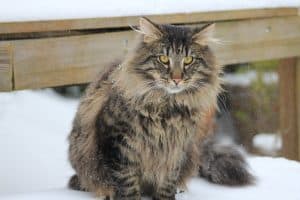 If any cat was literally designed for the outdoors, it’s the Norwegian Forest Cat — known in Norway as the Skogkatt, or “forest cat.” This breed didn’t just survive harsh Scandinavian winters; it evolved to thrive in them.
Their dense, water-resistant double coat, tufted paws, and muscular build make them one of the most physically capable domestic breeds you can own.
They’re exceptional climbers — one of the few breeds that can descend trees head-first — and their hunting instincts are sharp. According to the Cat Fanciers’ Association, the Norwegian Forest Cat is among the oldest natural breeds in Northern Europe, with ancestors that likely accompanied Vikings on sea voyages.
What makes them work as outdoor cats isn’t just their hardiness, though. Norwegian Forest Cats have an independent streak that means they don’t panic when left to their own devices outside — but they’re affectionate enough to come back in when called. That balance is rarer than you’d think.
Best for: Cold climates, homes with gardens or wooded surroundings.
2. Maine Coon
 The Maine Coon is the most registered pedigreed cat in the U.S. for 2025 according to the CFA, and for good reason. As America’s native giant, this breed was built for New England winters. Their shaggy, water-resistant coat, tufted ears, and large padded paws function almost like built-in outdoor gear.
Maine Coons are often compared to dogs in temperament — loyal, trainable, and curious about everything. They’ll follow you around the yard, investigate every corner of the garden, and generally treat the outdoors as an extension of their territory. They’re also intelligent enough to navigate outdoor hazards fairly well, though no cat is immune to risk.
We particularly like Maine Coons for families with secure outdoor spaces. Their size can also be a deterrent to some predators — this is not a cat that gets pushed around.
Best for: Cold and temperate climates, active families, large outdoor spaces.
3. Bengal
 The Bengal is descended from crosses with the Asian Leopard Cat, and that wild ancestry is visible in everything they do.
Their leopard-like rosette patterns are striking, but it’s their energy level and hunting drive that define them as outdoor cats.
Bengals are not for the faint-hearted owner. They need stimulation — lots of it — and a yard or outdoor space gives them an outlet that an apartment simply can’t. They’re athletic, fast, and genuinely love to hunt. Some Bengals even enjoy water, which is almost unheard of in domestic cats.
One honest caveat: Bengals are confident and assertive, which means they can get themselves into trouble outdoors. A secure garden or supervised outdoor time is strongly recommended over free-roaming.
Best for: Warm climates, experienced cat owners, secure outdoor spaces.
4. Siberian
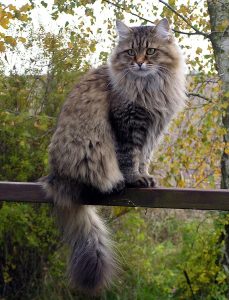 The Siberian is Russia’s national cat, and one that deserves far more attention in conversations about outdoor breeds.
Like the Norwegian Forest Cat and Maine Coon, the Siberian developed naturally in a harsh climate — the forests of Siberia — producing a breed with a triple-layer, water-resistant coat and a powerful, athletic build. Purina UK notes that the Siberian Forest cat is “ideally equipped for the outdoor life,” recommending secure garden access or an outdoor cat run to meet their needs.
Siberians are high-energy and playful, but they’re also notably calm and confident — qualities that serve outdoor cats well. They’re also one of the more trainable cat breeds and form strong bonds with their families. The CFA describes them as “90% placid and 10% mischief,” which is about right in our experience.
One bonus worth mentioning: Siberians are considered lower in the Fel d1 allergen compared to most breeds — a peer-reviewed study published via NCBI identified genetic mutations in Siberians that may affect Fel d1 allergenic properties, though the research notes that not all Siberians test low and further investigation is recommended. Worth discussing with your vet if allergies are a concern.
Best for: Cold climates, families with gardens, owners who want a highly social outdoor cat.
5. Abyssinian
 The Abyssinian is essentially a small puma who lives in your house and occasionally allows you to feed them. They’re one of the oldest known cat breeds — cats resembling the Abyssinian appear in ancient Egyptian art — and their instinct to climb, hunt, and explore hasn’t diminished one bit.
Abyssinians are agile, fast, and highly curious. Elite Veterinary Care puts it well: “They seek a lot of mental stimulation that can be found just by walking around outside. Abyssinians are agile and excellent climbers, which can be good to avoid predators.”
They’re also deeply social and attached to their owners, which is a double-edged sword outdoors: they want to be where you are, but they can get stressed if left to roam alone for long periods. Supervised outdoor time or a well-designed catio suits them well.
Best for: Warm and temperate climates, active owners, tree-rich environments.
6. Turkish Van
 The Turkish Van is famous for something most cats actively avoid: loving water.
Originating from the Lake Van region of Turkey, these cats developed a semi-waterproof coat with a unique texture that sheds moisture easily — hence the nickname “the swimming cat.”
Beyond their quirky relationship with water, Turkish Vans are active, curious, and confident outdoor cats. They’re large and athletic, enjoy climbing, and have strong hunting instincts. Their striking coloring — typically white with colored markings on the head and tail — makes them visually distinctive in any garden.
One note: Turkish Vans are somewhat independent and can be selective about affection. They’re not the type to be recalled with a snap of your fingers, so a secure outdoor space is important.
Best for: Temperate climates, homes near water features, owners who appreciate an independent cat.
7. Manx
 The tailless (or short-tailed) Manx from the Isle of Man has a long history as a working outdoor cat.
The Governing Council of the Cat Fancy (GCCF) notes that Manx are prized as skilled hunters sought by farmers with rodent problems, and that their long-standing preference as ship’s cats is thought to be responsible for the breed’s worldwide spread — port to port from what was originally a very limited, island-based breed.
Their strong hind legs make them surprisingly powerful jumpers and agile movers outdoors. They’re confident, curious, and have sharp hunting instincts that keep them engaged in any outdoor environment. They’re also generally friendly and sociable, which makes supervision easier than with more aloof breeds.
Fair warning: Manx cats are dedicated hunters. If you live near wildlife you’d prefer to protect, factor that in.
Best for: Temperate climates, rural or semi-rural properties, owners comfortable with active hunters.
8. European Shorthair
 The European Shorthair is one of the oldest and most common breeds in Europe — and has been living outdoor-adjacent lives for centuries.
These cats are highly adaptable, physically robust, and have the kind of easy temperament that lets them handle new environments without falling apart.
They’re keen hunters and naturally wary of strangers, which is actually an asset for outdoor cats. A European Shorthair that sees an unfamiliar person will typically retreat rather than approach — a survival instinct that serves them well outside.
These aren’t the flashiest cats on this list, but they’re genuinely excellent outdoor companions. Their short coat is low-maintenance and handles most weather conditions well.
Best for: Temperate European climates, rural homes, owners who want a self-sufficient outdoor cat.
9. Savannah
 The Savannah — a cross between a domestic cat and a Serval — is one of the most striking cats on this list. Their long legs, tall ears, and spotted coat give them the look of a small wild cat, and their energy level and curiosity match that appearance.
Savannahs are highly active, intelligent, and need significant mental and physical stimulation. Access to outdoor space isn’t just nice for them — it’s close to necessary. They’re also more trainable than most cats, which helps with outdoor supervision.
Important note: Savannah cats are subject to ownership restrictions in some states and countries due to their wild cat heritage. Always check local regulations before acquiring one.
Best for: Warm climates, large secure outdoor spaces, experienced cat owners.
10. Japanese Bobtail
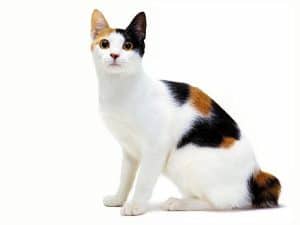 The Japanese Bobtail has centuries of history in Japan — including as temple cats and lucky charms — and their personality reflects a breed shaped by life alongside humans and the outdoors in equal measure.
Their distinctive pom-pom tail is the result of a naturally occurring genetic mutation, and their strong hind legs make them excellent, agile jumpers.
Japanese Bobtails are playful, social, and genuinely curious about their environment. They’re not as high-intensity as a Bengal or Savannah, which makes them a good choice for owners who want an outdoor cat that’s also pleasant company indoors.
Best for: Temperate climates, family homes, owners who want a balanced indoor-outdoor cat.
11. American Bobtail
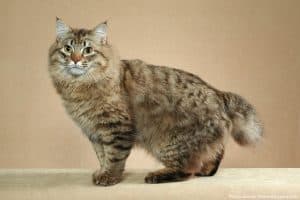 The American Bobtail looks like it wandered in from the wilderness — and in a sense, it did.
This breed developed from cats with naturally short tails found in the American Southwest, and they retain a rugged, adaptable quality that makes them well-suited to outdoor life.
They’re known for their tracking ability and strong hunting instincts, which makes them excellent companions for nature walks or time in a large outdoor space. Their muscular build and confident temperament mean they handle the outdoors with less anxiety than more delicate breeds.
Best for: Temperate climates, rural or suburban homes, active owners who enjoy outdoor time with their cat.
12. Siamese
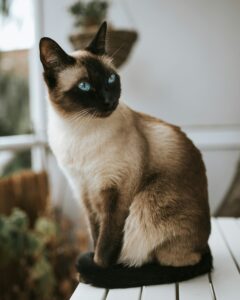 The Siamese is one of the most vocal, social, and curious cats in existence — and that curiosity translates to genuine enthusiasm for the outdoors.
They’ll explore every corner of a garden, investigate every sound, and probably narrate the entire experience back to you.
That said, Siamese cats are also highly social and can become anxious if left alone outdoors for extended periods. They do best with supervised outdoor time rather than free-roaming. Their short, sleek coat also means they’re better suited to warmer climates — cold weather is not their friend.
Best for: Warm and temperate climates, supervised outdoor time, owners who enjoy an interactive cat.
13. Turkish Angora
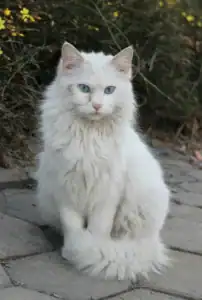 The Turkish Angora is one of the oldest natural cat breeds in the world, originating from the Ankara region of Turkey.
Elegant and athletic, they’re often mistaken for purely decorative cats — a mistake they’ll correct by leaping to the top of your fence and disappearing into the garden.
Angoras are highly active, intelligent, and curious. They love to climb and explore, and their semi-long silky coat is surprisingly easy to maintain despite its appearance. Unlike the Persian (which should not be on any outdoor cat list), the Turkish Angora is genuinely built for activity.
They do tend to bond strongly with one person and can be possessive of their territory outdoors — worth knowing if you have other outdoor cats in the area.
Best for: Temperate climates, homes with secure gardens, owners who appreciate an elegant but athletic cat.
14. Russian Blue
 The Russian Blue is the most conditional pick on this list, and we’re being honest about that.
By default, they’re a reserved, somewhat indoor-oriented breed — their silvery-blue coat and quiet elegance suit a calm home life. But given the right circumstances, they do enjoy outdoor access.
In a secure garden with minimal strangers and stressors, a Russian Blue can be a perfectly content outdoor cat. They’re intelligent, naturally cautious (which actually helps keep them safe outdoors), and their short coat is low-maintenance. But don’t expect them to be adventurous by nature — they’re not.
If you already have a Russian Blue and want to give them outdoor access, a catio or enclosed garden is a much better fit than free-roaming.
Best for: Temperate climates, secure enclosed outdoor spaces, owners who don’t need an active outdoor companion.
15. Pixie Bob
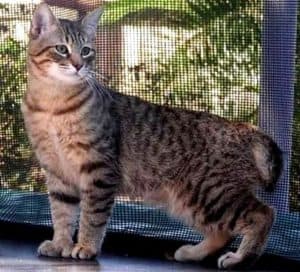 The Pixie Bob rounds out our list with a breed that’s often described as dog-like — and that’s not an exaggeration. They’ll walk on a leash, come when called, and actually enjoy accompanying their owners on hikes and outdoor adventures. If you want a cat that behaves more like a trail dog, the Pixie Bob is your answer.
Their wild appearance (reminiscent of a Bobcat, though they’re fully domestic) hints at a confident, adaptable temperament. They’re playful, loyal, and handle the outdoors with ease. They’re also generally good with families and other pets, which is a bonus.
Best for: Temperate climates, active owners, leash walking and outdoor adventures.