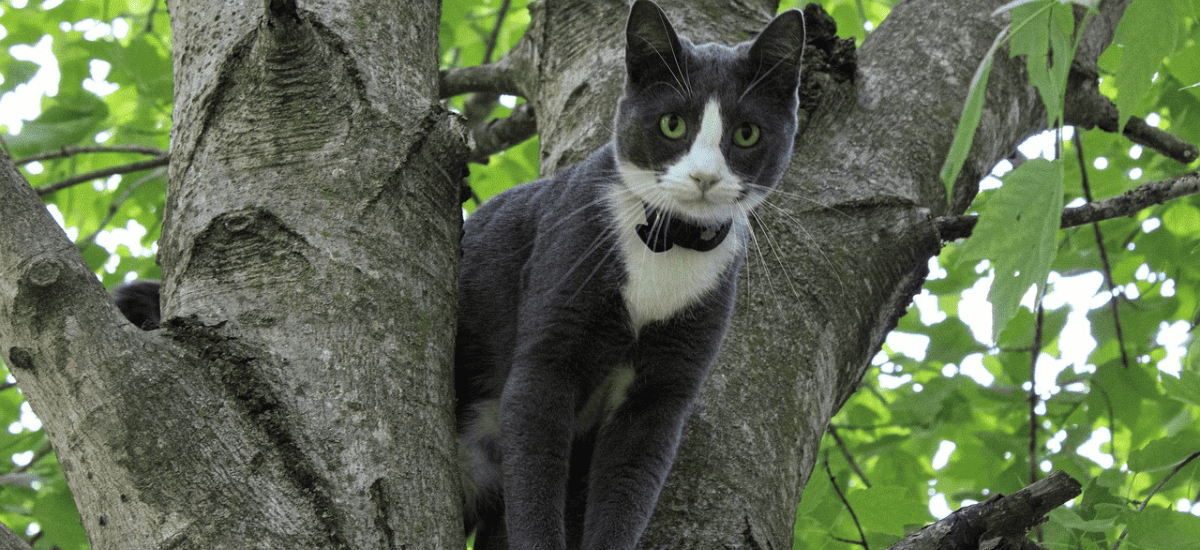
Best outdoor cat breeds
15 cats that love outdoors
*This post contains affiliate links, and we will be compensated if you buy after clicking on our links.
Are you looking for the best outdoor cat breeds to join your family’s love for the great outdoors?
You’re in for a treat! This article is your gateway to finding the purr-fect companion.
We’ve rounded up a list of 15 cat breeds that are not just good but exceptional in embracing an outdoor lifestyle.
Our lineup has the majestic Norwegian Forest Cat, the adaptable European Shorthair, the elegant Siamese Cats, the distinctive Turkish Van Cats, the adventurous Abyssinian Cats, and more.
Each breed is a shining example of what makes cats fantastic companions for those who love outdoor activities and savor the fresh air.
Whether you’re an avid outdoor enthusiast or enjoy watching a cat in its natural element, these breeds will surely capture your heart.
So, let’s embark on this journey to discover which of these fantastic cats will be your ideal partner in outdoor adventures!
But wait,
What exactly sets these best outdoor cat breeds apart? You may be asking.
Good question!
It’s more than their affinity for the great outdoors or adaptability to various environments. Specific traits make these cats the ideal choice for outdoor activities and living.
So, before we go in-depth on each breed, we shall delve into the essential characteristics that make these breeds stand out.
From their physical attributes to their instincts, we’ll explore what makes these cats the ultimate companions for anyone seeking a pet that loves spending time in the fresh air and engaging in outdoor adventures.
Table of Contents
Essential Traits for Outdoor Cat Breeds
1. Innate Curiosity and Love of Exploration:
The ideal outdoor cat is driven by a natural curiosity and a strong desire to explore. This trait ensures they’re always eager for new adventures, whether a playful outing in the backyard or a supervised exploration of the local park.
2. Physical Adaptability:
Adaptability to different weather conditions is crucial. Cats with features suited for both warmer climates and colder climates can comfortably enjoy the outdoors year-round, making the most of the fresh air and changing seasons.
3. High Activity Level:
An active lifestyle is a must. Naturally energetic and playful cats are perfect companions for various outdoor activities, ensuring they get ample physical and mental stimulation.
4. Strong Hunting Instincts:
Many outdoor-suited cats retain strong hunting skills. This instinct provides mental stimulation and connects them to their ancestral roots, making them more attuned to the outdoor environment.
5. Sociability and Trainability:
While independence is essential, the ability to bond with human family members and respond to training is crucial for safety outdoors. Sociable and trainable cats are ideal for outdoor adventures, as they can learn to navigate safely and enjoyably.
6. Adaptability to New Environments:
Flexibility and confidence in new surroundings are essential. Cats that can easily handle changes in their environment make confident and content outdoor companions, ready to face new challenges and experiences.
In summary, the best outdoor cat breeds are distinguished not just by their affinity for the great outdoors but by combining physical and behavioral traits.
Understanding these traits helps us appreciate what makes these cats the perfect partners for those who love exploring nature and engaging in outdoor adventures.
So, as we move forward, keep these traits in mind – they are the keys to finding a feline friend who will joyfully share in your outdoor escapades!”
Now, it’s time to meet the stars of the show!
15 Best Outdoor Cat Breeds

1. Norwegian Forest Cat
Often dubbed the 'Viking cat,' the Norwegian Forest cat has stepped straight out of a Norse legend. With their dense, water-resistant fur and muscular body, they're built for colder climates. These natural excellent climbers are born to thrive in an outdoor environment. Their independent streak is balanced by moments of affection, making them a good choice as companions who'd join you for outdoor adventures and later share tales by the fireside.

2. European Shorthair
The European Shorthair, one of the oldest cat breeds, is the classic, old-world charmer of the cat realm.
Their short coat and adaptable nature make them suitable as indoor cats in a bustling city square or a quiet countryside.
They're the kind of cats that'll chase after a fluttering leaf one moment and lounge in a sunbeam the following, always ready to share an outdoor activity with their feline friends.

3. Siamese Cats
Ah, the Siamese – an active cat breed and the vocal maestros of the feline world.
Their striking blue eyes and sleek coats command attention wherever they go.
But their insatiable curiosity and friendly nature truly set them apart.
Whether it's a bustling market or a serene park, they're always up for an adventure, often "chatting" and offering their opinions. This makes them an excellent choice for those who enjoy spending time outdoors.

4. Russian Blues
The enigmatic Russian blue cats are the poets of the feline world. Their silvery-blue coats and green eyes hint at tales of mystery and elegance.
While they might initially seem reserved, please give them the fresh air of the great outdoors, and their playful side emerges. They tread with gentle grace, making them perfect companions for quiet evening walks or reflective moments in a garden.

5. Manx Cats
Manx cats are spirited adventurers with unique tails, as seen in the Isle of Man. Their strong hind legs make them agile jumpers, and their keen hunting instincts are always at play. Whether it's a playful chase after a butterfly or a keen observation from a high perch, they turn every outdoor moment into a delightful escapade, showcasing their natural instinct for exploration.

6. Turkish Van Cats
Dive into the world of the Turkish van cats! These felines break the cat stereotype with their love of water. Their water-resistant coat and unique color patterns make them stand out, but their adventurous spirit truly shines. Whether it's a lakeside picnic or a beach day, they're always up for aquatic fun, making them an excellent choice for those who enjoy outdoor activities near water.

7. Bengal
The Bengal cats are excellent hunters with their wild, leopard-like patterns. They are a sight to behold. These cats are more suited for warmer climates. This intelligent breed is energetic, making them perfect companions for outdoor enthusiasts.
Their wild ancestry gives them a strong hunting instinct, ideal for backyards teeming with critters. Their shimmering coat and rosette patterns are beautiful and hint at their adaptability to outdoor environments. They appreciate a cozy spot to relax and observe their surroundings when they're not on an adventure.

8. Abyssinian Cats
The ever-active Abyssinian cats are climbers at heart. Their agility and curiosity make them perfect for tree-rich environments, turning any cat patio into their playground. They're incredibly social and curious, always eager to explore new terrains and make friends, showcasing their outgoing breed nature.

9. American Bobtail Cats
With a wild appearance and a heart of gold, American bobtail cats are the adventurers of the feline world. Their muscular build and unique bobbed tail give them a distinctive look. They're known to be particularly good at tracking, making them great companions for nature walks. If you're planning a camping trip, they might be your ideal tent buddy, always ensuring easy access to fun.

10. Maine Coon Cats
The gentle giant Maine coon cats are hard to miss. As one of the largest domestic cat breeds, they come with long, shaggy fur and tufted ears. Their thick coat helps to keep body heat, making them well-suited for cold weather, so snow escapades? They're in! Their friendly nature makes them great family members, always ready for outdoor activities.

11. American Shorthair
The all-American classic, the American shorthair, is as versatile as they come. With a sturdy build and a calm demeanor, they're equally at home lounging in the garden or joining you for a walk. They're friendly, easy-going, and have a natural alertness that makes them great outdoor companions, always up for some outdoor life..

12. Japanese Bobtail
With a history that dates back centuries in Japan, the Japanese Bobtail is charming and playful. Their unique bobbed tail and strong hind legs make them agile jumpers, perfect for those outdoor adventures. They have a friendly nature, making them great companions for families and those who love spending time in the great outdoors.

13. Persian Cats
Don't let the luxurious fur of Persian cats fool you; they can be pretty outdoor divas! While they're known for their calm and laid-back nature, they enjoy the occasional outdoor stint. Their dense fur requires regular grooming, especially after outdoor adventures, but their affectionate nature and love for fresh air make it all worth it.

14. Savannah Cat
The Savannah cat is where the wild meets the domestic. Their long legs and striking patterns make them built for action. They're intelligent, curious, and have a high activity level. If you're looking for a cat that'll match your adventurous spirit and enjoys outdoor activities, it is a good reason why the Savannah is a top contender.

15. Pixie Bob
The Pixie Bobs, with their wild appearance, are the storytellers of the cat world. They're known for their dog-like behavior, making them great companions for hikes and outdoor adventures. Their loyalty and playful nature make them a joy, and they are always ready to explore new environments.
Safety and Training Tips for Outdoor Adventures with Cats
So, you’ve got your adventurous feline friend and are eager to explore the great outdoors together. But before you both set out on your next escapade, here are some safety measures that must be noted to ensure a safe and enjoyable experience for your kitty.
1. Start Slowly with a Cat Patio:
A cat patio, often called a “catio,” is a dedicated outdoor cat enclosure. It allows your feline friend to enjoy the outdoors without the risks of free-roaming.
Catios can range from small window box-sized enclosures to large, luxurious spaces with climbing structures and toys. Starting with a catio is a fantastic way to introduce your cat to the outdoors. It provides a safe, controlled environment where they can get used to the sights, sounds, and smells without the risks.
One popular option available on Amazon is the Aivituvin Cat House Outdoor Catio. It offers ample space, durable construction, and added features like perches
2. Harness Training:
Forget the myths; cats can be trained! Invest in a comfortable harness and leash. Let your cat wear the harness indoors to get used to the feel. Once they’re comfortable, you’re ready for outdoor walks
3. Stay Alert:
Cats are naturally curious creatures. They might want to chase after a butterfly or climb a tree. Always be vigilant and ensure they don’t wander into unsafe areas or encounter aggressive animals.
4. Hydration is Key:
Remember, those little furballs can get dehydrated! Always carry fresh water and a portable dish, especially during warmer months.
5. ID Tags, Microchipping, and GPS Tracking:
Every cat parent’s worst nightmare is losing their beloved pet. Ensure your cat has a collar with an ID tag that contains your contact details. Microchipping is another layer of security; it’s a small chip implanted under your cat’s skin. It can be scanned to retrieve the owner’s contact information.
A cat GPS tracker is an excellent choice for those who want real-time tracking capabilities. These devices, often attachable to your cat’s collar, allow you to monitor your cat’s location using a smartphone app. They benefit cats with a larger roaming area or those particularly adventurous. With features like geofencing, you can set boundaries and receive alerts if your cat ventures beyond them.
The Tractive GPS Tracker & Health Monitoring for Cats , available on Amazon, is popular among cat owners. It offers real-time tracking, geofencing capabilities, and a user-friendly app interface.
With these measures in place, you can have peace of mind knowing that even if your cat decides to go on a solo adventure, you’ll always be able to find them.
6. Know Your Cat’s Limits:
Not every cat is a mountain climber or a long-distance walker. It’s crucial to recognize when your feline friend feels tired or unwell.
Here are some signs to watch out for:
- Vocalization: While some cats are naturally more vocal than others, excessive meowing or unusual sounds can indicate discomfort or distress.
- Lethargy: If your usually active cat suddenly becomes sluggish, avoids movement, or lies down frequently, it might be a sign they’re tired or not feeling well.
- Panting: While it’s common for dogs, cats don’t typically pant. If your cat starts panting and it’s not an extremely hot day, it could be a sign of stress, fatigue, or overheating.
- Hunched Posture: A cat hunched over with its fur puffed up might feel unwell or try to ward off a perceived threat.
- Loss of Appetite: If your cat refuses treats or water during your outing, it might be a sign of discomfort or illness.
- Avoidance Behavior: If your cat is constantly seeking shelter, hiding, or trying to escape, they might feel overwhelmed or scared.
- Aggression: A normally calm cat that suddenly becomes aggressive or irritable might be in pain or feeling unwell.
7. First Aid Kit:
Accidents can happen. Always carry a basic first aid kit tailored for cats. This should include antiseptic wipes, bandages, and any medication your cat might need.
8. Avoid Harsh Weather Conditions:
Despite their fur, cats can be sensitive to extreme weather. Avoid taking them out during the warmer months or cold days. If it’s chilly, consider a cat jacket to keep them warm.
When considering a nighttime stroll with your cat, it’s crucial to weigh the potential risks against the peaceful allure of a quiet night walk.
9. Night Outings:
Night outings are generally not recommended due to hazards like limited visibility, nocturnal predators, and traffic. However, if you choose to venture out at night, take certain precautions:
- Visibility Gear: Equip your cat with reflective or LED collars and leashes to enhance visibility and prevent accidents.
- Familiar Terrain: Stick to known areas to minimize the chance of your cat getting lost or frightened.
- Quiet Surroundings: Avoid noisy environments, such as busy streets, as the night amplifies sounds, which can stress your cat.
- Wildlife Awareness: Stay vigilant of nocturnal animals like raccoons or owls that could pose a threat.
- Brief Excursions: Limit the duration of your night walks to reduce risk exposure.
- Proximity to Home: Stay close to your home or a safe place to enable a quick return if necessary.
If in doubt, daytime adventures are safer, offering better control and ensuring your cat’s safety more effectively.
10. Respect The Environment:
When exploring the great outdoors with your cat, respecting the environment and its inhabitants is vital.
Here are fundamental guidelines to follow:
- Leave No Trace: Always clean up after your cat using biodegradable waste bags, ensuring no litter is left behind.
- Avoid Disturbing Wildlife: While cats are natural hunters, prevent them from chasing or hunting local wildlife to protect both the animals and your cat.
- Stay on Paths: Use designated paths or trails to minimize disturbance to plant life and avoid hazards like poisonous plants.
- Be Mindful of Others: Keep your cat leashed and respect the space of others who may not be comfortable around cats or have their pets.
- Check Area Restrictions: Some places, especially nature reserves, may have rules against pets. Always verify before visiting.
- Seasonal Awareness: Be aware of seasonal changes, such as bird nesting periods, to ensure your activities don’t disturb local wildlife.
Conclusion
To wrap up, finding the best fit for an outdoor cat involves understanding their needs and ensuring a safe, engaging environment.
Whether your journey involves creating a backyard haven or venturing into the wider world, it’s about enriching your cat’s life while strengthening your bond.
Remember, the right balance of adventure and safety can lead to a fulfilling and joyful experience for you and your feline companion.
Frequently Asked Questions
1.Are certain cat breeds naturally more inclined to outdoor activities
Yes, some cat breeds have a natural affinity for the outdoors due to their history, physical characteristics, and temperament. Species like the Norwegian Forest Cat, Bengal, and Maine Coon, for instance, have traits that make them well-suited for outdoor adventures.
2. Is it safe to let my cat roam outdoors freely?
While some breeds are more adaptable to the outdoors, ensuring a safe environment is essential. This means knowing potential dangers like traffic, predators, and harmful plants. Supervised outings or secure outdoor enclosures are often recommended.
3. Do outdoor cats require different care than indoor cats?
Outdoor cats may have additional needs, such as more frequent health check-ups, flea and tick prevention, and specific dietary requirements due to increased activity.
4. Can indoor cats be trained to enjoy the outdoors?
Absolutely! Many indoor cats can learn to appreciate the outdoors with patience and gradual exposure. It’s essential to start slow, train your cat to use a harness or leash, and monitor their comfort level.
5. What should I do if my outdoor cat breed prefers staying indoors?
Every cat is an individual. Even if a breed is known for its love of the outdoors, some cats might prefer the comfort of indoors. It’s essential to respect their preferences and provide indoor stimulation.
6. How can I create a safe outdoor environment for my cat at home?
Consider building or purchasing outdoor cat enclosures or a good outdoor cat house (a heated cat house for winter). These provide a safe space for your cat to enjoy the outdoors without the risks of roaming freely.
7. Do outdoor cat breeds get along with other pets?
While many outdoor cat breeds are friendly and can get along with other pets, ensuring proper introductions and monitoring interactions is crucial, especially in an outdoor setting.
8. What is considered an outdoor cat?
An outdoor cat spends much, if not all, of its time outside. They might have free outdoor access or be taken out for supervised periods.
9. Is it good for cats to be outdoor cats?
This depends on various factors, including the outdoor environment, potential dangers, and the cat’s temperament. While the outdoors can offer stimulation and exercise, it also comes with risks like traffic, predators, and disease exposure. It’s essential to weigh the pros and cons based on your situation.
10. Can cats live completely outside?
Yes, some cats live entirely outdoors, especially in rural settings. However, they need access to shelter, regular food, clean water, and medical care. It’s also crucial to ensure they’re protected from extreme weather conditions.
11. What are the benefits of having an outdoor cat?
Outdoor cats often enjoy increased stimulation from the environment, more exercise, and a broader range of behaviors like climbing or hunting. This can lead to improved physical health and reduced behavioral issues.
12. Are cats better indoors or outdoors?
There’s no one-size-fits-all answer. Indoor cats life expectancy tend to be longer due to reduced exposure to dangers but might require more mental stimulation and exercise. Outdoor cats enjoy natural enrichment but face more risks. It’s about finding a balance that suits the cat and the owner.
13. What are the disadvantages of outdoor cats?
Outdoor cats face risks like traffic accidents, disease exposure, potential conflicts with other animals, and extreme weather conditions. They might also be at risk from human-related threats or ingesting harmful substances.
14. How do I make my cat an outdoor cat?
Transitioning a cat to the outdoors should be gradual. Start with short, supervised outings in a safe area. Over time, as the cat becomes more comfortable, you can extend the duration. Ensure they’re vaccinated and protected against fleas and ticks.
15. How do you train a cat to go outside and not run away?
Begin with a harness and leash to give your cat a sense of the outdoors while ensuring they’re safe. Over time, as they become familiar with the surroundings, they’ll feel more secure. Always ensure they have a form of identification, like a collar with a tag or a microchip, in case they wander off.