
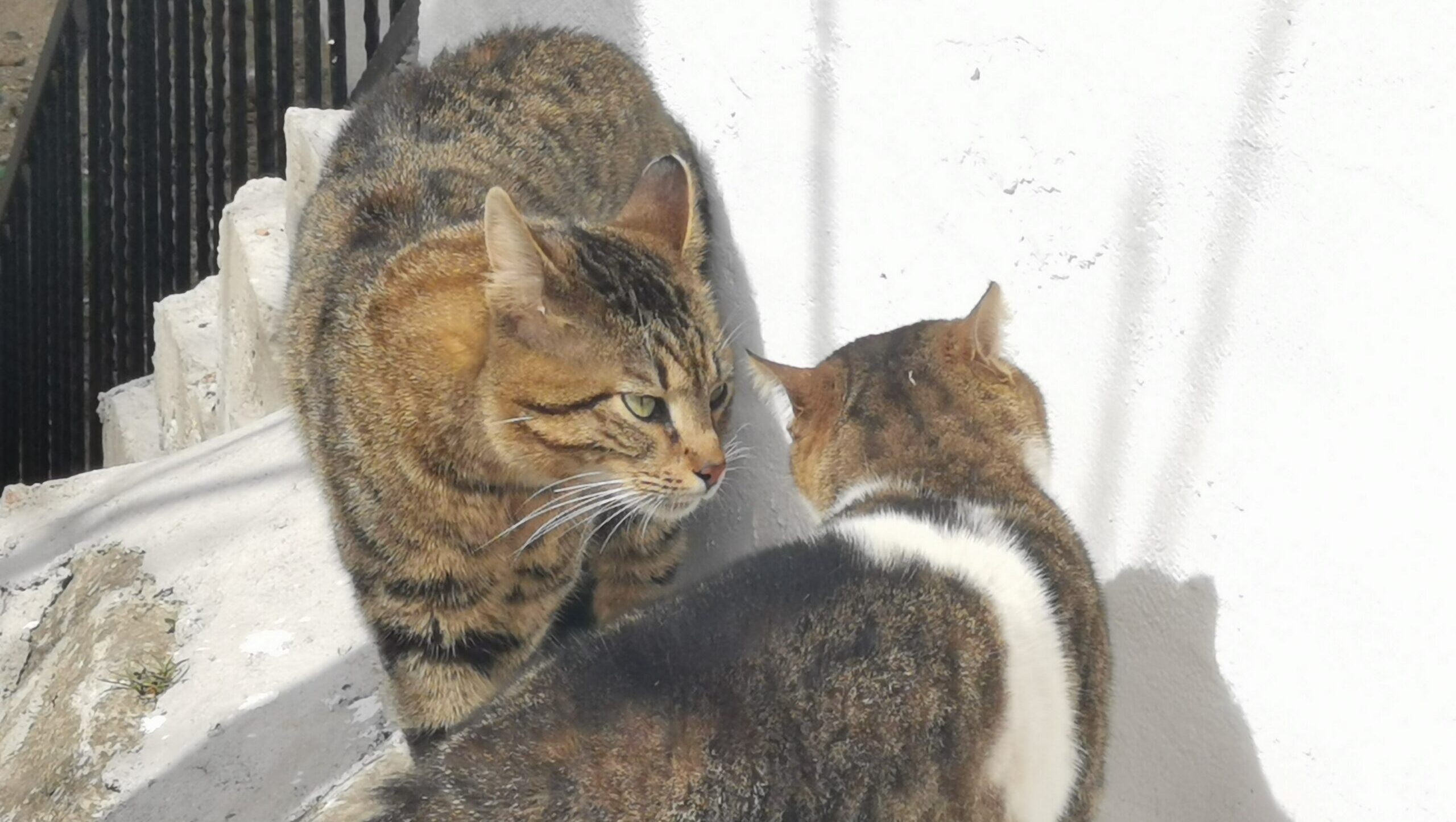
 Before discussing solutions, it’s crucial to understand non-recognition aggression and why it occurs.
This aggression occurs when one cat doesn’t recognize another, often after a significant event like a vet visit or grooming session.
Cats rely heavily on scent to identify each other, and when one cat’s scent changes, it can lead to confusion and aggression.
Recognizing the signs and knowing the triggers is the first step in helping your cats overcome this issue.
1. Pre-Event Preparations
The first step in overcoming non-recognition aggression starts before the event that might trigger it (such as a vet visit).
- Scent Familiarization:
 Before taking your cat to the vet or for grooming, rub both cats with the same towel or blanket to mix their scents. This creates a shared scent profile that can help minimize confusion when the cat returns.
 - Pheromone Products:
Use synthetic feline pheromones like Feliway before and after the visit. These products mimic the natural pheromones that cats use to mark their territory, helping to create a sense of calm and familiarity.
2. Post-Event Reintroduction Techniques
After the triggering event, it’s vital to reintroduce your cats carefully to help them overcome the initial shock of scent change.
- Separate and Observe:
When your cat returns, keep it in a separate room for a few hours. This gives the returning cat time to calm down and allows you to observe signs of stress or discomfort in both cats. - Scent Swapping:
Rub the cats with the same towel to reintroduce their scents before allowing direct contact. You can also swap their bedding to help them get used to each other’s scent again in a non-threatening way. - Gradual Reintroduction:
 Start with short, supervised interactions where the cats can see and smell each other but not touch. Gradually increase the duration of these interactions as long as both cats remain calm. This controlled exposure helps rebuild their recognition and reduces the likelihood of aggression.
The process can vary widely, from days to weeks, depending on the cats’ temperaments, the intensity of the scent change, and past experiences. Patience is vital – progress at a pace that keeps both cats comfortable and stress-free.
3. Managing Immediate Aggression
If aggression occurs despite your precautions, it’s crucial to intervene quickly and safely.
- Safe Separation:
If the cats start fighting, gently separate them with a blanket or a large piece of cardboard. Avoid using your hands to prevent injury. - Calming Techniques:
Once separated, give each cat time to cool off in their own space. You can use pheromone diffusers in each room to help calm their nerves.
It’s essential not to punish the cats, as this can increase their stress and worsen their aggression.
4. Long-Term Strategies to Prevent Future Non-Recognition Aggression
While immediate actions are crucial, long-term strategies are vital in reducing the likelihood of reoccurring non-recognition aggression.
Addressing the underlying causes and creating a stable environment can significantly lower the chances of this type of aggression flaring up again.
Consistent Routine to Reduce Stress:
Cats thrive on routine, and maintaining a consistent schedule for feeding, playtime, and interactions helps reduce their overall stress levels.
When a cat returns from a stressful event like a vet visit, a familiar routine can help them quickly readjust and recognize their housemate.
This calming familiarity makes the cat more receptive to reintroducing the other cat.
Minimizing Stressful Triggers through Environmental Stability:
Cats are sensitive to changes in their environment, and maintaining consistency in their surroundings can help prevent non-recognition aggression.
Ensure that essential resources like litter boxes, feeding stations, and cat beds remain in the exact location.
Avoid frequent changes in the arrangement of these items, as this stability helps your cats feel secure and reduces the overall stress that could trigger aggressive behavior.
By keeping their environment predictable, you lower the chances of one cat feeling disoriented or stressed, which can exacerbate non-recognition aggression.
Gradual Reintegration Spaces:
Ensure that your home environment allows for gradual reintroduction when necessary.
For example, having a separate room or space where the returning cat can acclimate before being fully reintroduced to the other cat can be beneficial.
This space serves as a neutral ground where the cat can relax and slowly reacquire its familiar scent, reducing the shock when reuniting with the other cat.
Over time, these careful re-introductions help solidify the cats’ recognition of each other, reducing the likelihood of future incidents.
Positive Reinforcement to Rebuild Relationships: 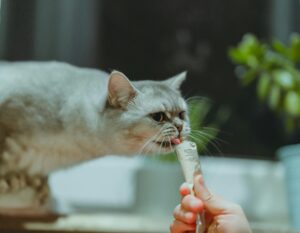 By consistently rewarding calm behavior and positive interactions between your cats, you can help them rebuild their relationship and reinforce their bond.
Using treats, affection, and play as rewards when your cats interact peacefully encourages them to associate each other with positive experiences.
This practice helps overcome past aggression and strengthens their connection, making them less prone to non-recognition aggression.
5. When to Seek Professional Help
If your cats continue to exhibit non-recognition aggression despite your best efforts, it may be time to consult a professional.
- Veterinary Check:
Sometimes, underlying health issues can contribute to aggression. A veterinary check-up can rule out any medical causes. - Behavioral Consultation:
A certified feline behaviorist can provide tailored advice and techniques to help your cats overcome aggression. This may include desensitization exercises, environmental adjustments, or specific behavior modification strategies