
 Socialization isn’t just about making your cat more sociable—it’s about helping them feel secure in various situations.
Proper socialization can prevent behavioral problems like aggression, fearfulness, and anxiety.
However, socializing a cat can be challenging, as cats are naturally territorial and cautious creatures.
Many cat owners tend to make mistakes that can hinder the socialization process.
Here are the most commonly made mistakes when socializing cats:
1. Forcing Interaction
One of the most common mistakes is forcing a cat into social situations before they’re ready.
You might be eager to introduce your cat to new people or animals, but pushing them too quickly can backfire.
Cats are susceptible to their surroundings; if they feel threatened or overwhelmed, they’re likely to respond with fear or aggression.
Consequences: Forcing interaction can lead to a cat that is more withdrawn or, worse, aggressive. They may associate socialization with negative experiences, making it even harder to build their confidence in the future.
2. Using Punishment as a Socialization Tool
 Another major mistake is using punishment to correct unwanted behaviors during socialization.
Yelling at your cat, spraying them with water, or using physical punishment might seem like quick fixes, but they can severely damage your relationship with your cat.
Consequences: Punishment creates fear and mistrust. Instead of learning to socialize, your cat may become more anxious and defensive, which undermines the socialization process altogether.
3. Ignoring a Cat’s Individual Needs and Boundaries
Every cat has its personality, and it’s important to respect that.
Some cats are naturally more sociable, while others are shy and take longer to warm up to new people and environments. Ignoring these individual differences and pushing your cat to behave in a way that isn’t natural for them is a big mistake.
Consequences: Ignoring your cat’s boundaries can increase anxiety and reluctance to interact. Your cat may start avoiding you or certain situations altogether, making it harder to socialize them effectively.
4. Introducing Too Many New Stimuli at Once
Cats are creatures of habit, and they don’t typically do well with sudden changes.
Bombarding your cat with too many new experiences, people, or environments at once can be overwhelming and counterproductive.
Consequences: Overloading your cat with new stimuli can cause them to shut down or become overly stressed. Instead of becoming more social, they might start associating new experiences with fear, making future socialization efforts more difficult.
5. Inconsistent Socialization Efforts
Consistency is vital when it comes to socializing a cat. Some owners need to be more consistent with their socialization efforts instead of giving their cats lots of attention and leaving them to their own devices at other times.
Consequences: Inconsistent socialization can confuse your cat and slow down its progress. Cats thrive on routine, and without consistent efforts, they may struggle to understand what’s expected of them.
6. Relying Too Much on Food Bribes
 While treats can be helpful tools in socialization, relying too heavily on food bribes can create problems. If your cat only engages in socialization because it’s expecting a treat, it’s not truly learning to be comfortable in those situations.
Consequences: Over-reliance on food bribes can lead to obesity and not help your cat build genuine confidence. It’s essential to balance treats with other forms of positive reinforcement, like play and gentle petting.
7. Overlooking Body Language
 A common mistake is not paying close attention to a cat’s body language during socialization attempts.
Cats communicate often through subtle cues like ear position, tail movement, and vocalization.
Misreading or ignoring these signs can push a cat beyond its comfort zone.
Consequences: This can result in setbacks in the socialization process, as the cat may become more anxious or defensive when its discomfort is not acknowledged.
8. Rushing the Process
While patience is crucial, some owners make the mistake of trying to socialize a cat too quickly.
They may expect rapid progress and give up if they don’t see immediate results.
Consequences: Rushing can overwhelm the cat, potentially causing long-term setbacks in socialization. It may also lead to owner frustration and abandonment of socialization efforts.
Recognizing that you’ve made some of these mistakes is the first step toward correcting them.
Here’s how you can avoid these pitfalls and set your cat up for socialization success:
1. Be Patient and Let Your Cat Set the Pace
Instead of forcing interactions, allow your cat to explore and engage at their own pace.
Create a safe, comfortable environment where they can observe new people and experiences without pressure. Over time, they’ll become more confident and willing to interact.
2. Use Positive Reinforcement, Not Punishment
Focus on rewarding positive behaviors rather than punishing negative ones.
Praise your cat, offer treats, and give them affection when they show curiosity or bravery in new situations.
This helps build a positive association with socialization.
3. Respect Your Cat’s Boundaries
Pay attention to your cat’s body language and respect their signals.
If your cat seems uncomfortable, give them space. Over time, they’ll learn to trust you and become more open to socialization.
4. Introduce New Experiences Gradually
Instead of overwhelming your cat with new stimuli, slowly introduce them to new experiences one at a time.
Start with short, low-stress interactions and gradually increase the intensity as your cat becomes more comfortable.
5. Be Consistent with Socialization Efforts
Consistency is crucial for success.
Make socialization a regular part of your cat’s routine, and stick with it.
Regular, gentle exposure to new experiences will help your cat build confidence and adapt to new situations more easily.
6. Balance Treats with Other Forms of Positive Reinforcement
Use treats wisely and combine them with other forms of positive reinforcement, like playtime and affection.
This helps your cat learn that socialization is enjoyable for its own sake, not just because there’s food involved.
7. Learn to Read Your Cat’s Body Language
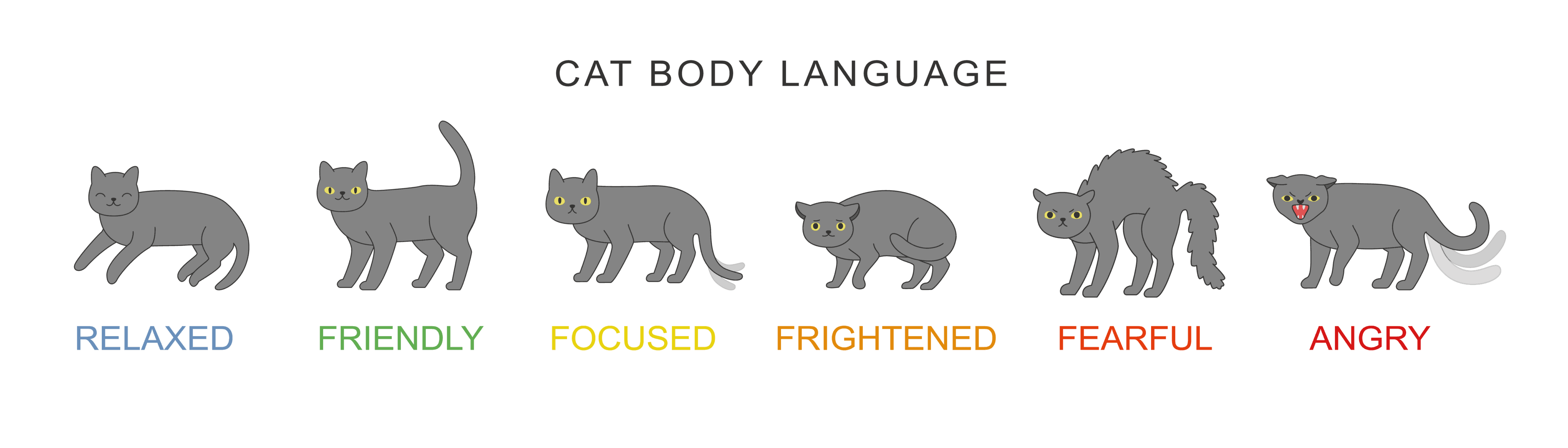 Pay close attention to your cat’s body language during socialization attempts.
Learn to recognize signs of stress, fear, or discomfort, such as flattened ears, a swishing tail, or dilated pupils. Respond appropriately by giving your cat space or ending the socialization session.
8. Be Patient and Persistent
Understand that socialization is a gradual process that can take weeks or even months.
Set realistic expectations and celebrate small victories.
Consistently work on socialization, but don’t rush your cat. Slow and steady progress is better than pushing too hard and causing setbacks.
To help your cat thrive, consider creating a socialization plan tailored to their unique needs and personality:
1. Create a Safe and Comfortable Environment
 Start by ensuring your home is safe and comfortable for your cat.
Provide plenty of hiding spots, cozy bedding, and familiar scents to help them feel secure
2. Set Realistic Goals and Expectations
Socialization takes time, so be patient and set realistic goals. Celebrate small victories, and don’t rush the process.
3. Seek Professional Help if Needed
If you’re struggling with socialization, don’t hesitate to seek help from a veterinarian or a professional cat behaviorist. They can provide guidance and support tailored to your cat’s needs.
4. Monitor and Adjust Your Plan
Regularly assess your cat’s progress and adjust your socialization plan as needed. If specific techniques aren’t working, be willing to try new approaches. Pay attention to what your cat responds to positively and build on those experiences.
5. Understand What Constitutes “Too Much”
When introducing new stimuli, be mindful of your cat’s limits.
“Too much” can vary depending on the cat, but signs of overstimulation might include hiding, excessive grooming, or aggressive behavior.
Start with brief introductions to new experiences and gradually increase duration and intensity as your cat becomes more comfortable.